
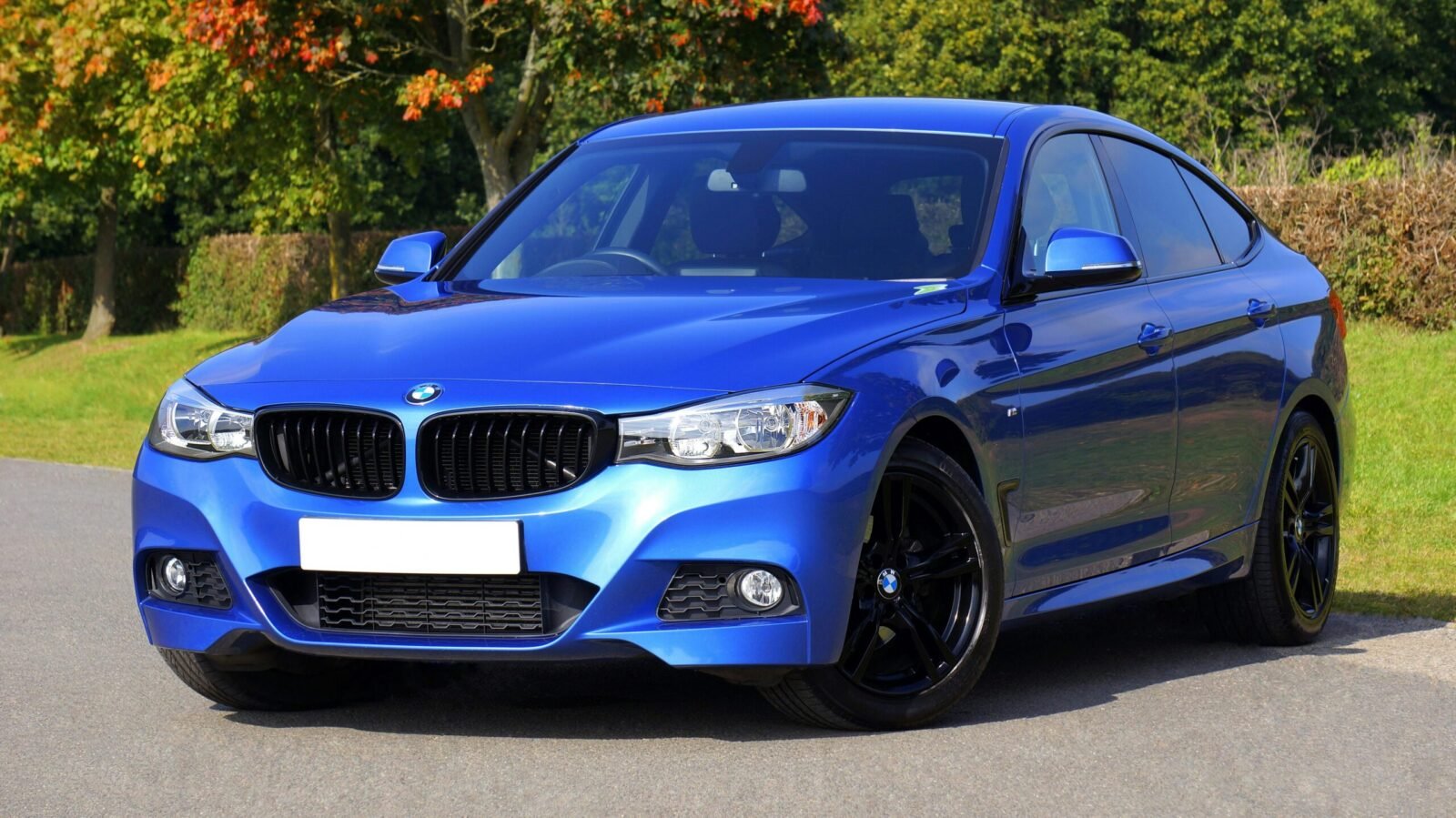
In the ever-evolving world of automotive purchasing, the used car market price trends USA continue to capture the attention of budget-conscious buyers, dealers, and industry analysts alike. As of November 2025, the average used car listing price hovers around $25,512, reflecting a modest stabilization after years of volatility. Yet, beneath this surface calm lies a complex interplay of supply shortages, economic pressures, and shifting consumer preferences. Whether you’re eyeing a reliable sedan or a fuel-efficient EV, understanding these trends is crucial for making informed decisions. In this comprehensive guide, we’ll dive deep into the key drivers, segment-specific shifts, and expert forecasts for 2026—helping you navigate the market like a pro.
A Quick Recap: How We Got Here – Historical Used Car Price Trends
The used car market in the USA has been a rollercoaster since the pandemic. Pre-2020, average prices for 3-year-old vehicles sat comfortably around $22,000. Then came the global chip shortage, factory shutdowns, and a surge in demand, catapulting prices to record highs—peaking at over $30,000 by early 2022. Prices began a slow descent in 2023 and 2024 as new car production ramped up, but 2025 flipped the script again.
This year, prices for 1- to 5-year-old models rose 1% year-over-year by March, marking the first increase since late 2022. By Q3 2025, the average transaction price (ATP) for 3-year-old used cars hit $31,067—up 5% from Q3 2024 and the highest quarterly figure since 2023. Overall, used vehicle values are up 41% since 2019, with the Manheim Used Vehicle Value Index (MUVVI) climbing to 208.5 in June—a 6.3% year-over-year surge, the largest since August 2022.
These used car price trends USA aren’t just numbers; they’re a symptom of broader economic recovery and lingering supply chain scars. Now, let’s unpack the forces fueling this upward trajectory.
Key Factors Shaping Used Car Price Trends in 2025
Several interconnected elements are driving the used car market price trends USA higher this year. From policy changes to consumer behavior, here’s a breakdown:
1. Persistent Supply Shortages: Fewer Trade-Ins and Off-Lease Returns
The root of the issue traces back to 2021-2022, when new car sales plummeted to just 13.8 million units—the lowest since 2011—due to chip shortages and pandemic disruptions. This means millions fewer vehicles entered the used market pipeline. By 2025, we’re seeing the fallout: fewer 3-year-old cars (the market’s sweet spot for value and reliability) available.
Leasing rates, which typically account for 30% of new sales, dropped to 17% in 2022, slashing off-lease returns. Experts predict this inventory crunch will persist through April 2026. Dealers ended October 2025 with steady but low stock levels, leading to longer days-to-turn (DTT)—now at 41 days for 3-year-olds, the slowest Q3 since 2017.
| Factor | Impact on Supply | Price Effect |
|---|---|---|
| Low 2022 New Sales | -8M fewer vehicles entering used market | +5-10% ATP rise |
| Reduced Leasing | Fewer off-lease units (down to 17% from 30%) | Sustained shortages into 2026 |
| Aging Trade-Ins | Older vehicles dominate inventory | Higher demand for low-mileage models |
2. Tariffs and New Car Price Hikes: Pushing Buyers to Used
Introduced in April 2025, a 25% tariff on imported vehicles and parts has inflated new car prices by 10-15%, with even U.S.-assembled models up 5%. The average new car transaction price briefly topped $50,000 in September 2025, making used options more appealing despite their climb.
This shift has boosted used retail sales forecasts to 20.1 million units in 2025—a 1.2% increase from 2024—as affordability pressures drive demand. However, it also means dealers are paying premiums at auctions, passing costs to buyers.
3. Economic Pressures: Inflation, Interest Rates, and Affordability
High interest rates (though easing slightly) and inflation have squeezed buyer budgets, but a loosening credit market— with more approvals for lower down payments—has spurred activity. Unemployment remains low, supporting demand, but economic uncertainty tempers aggressive buying.
Seasonality plays a role too: Prices typically dip in fall/winter, but 2025’s autumn saw only minor declines (-0.43% in late January for overall used cars). EVs and hybrids bucked this, dropping nearly $700 in November as demand cools.
4. Consumer Shifts: EVs as Budget-Friendly Gems
Electric vehicles are a bright spot amid rising prices. Used EVs sold in just 34 days in Q3 2025—the fastest turnover—thanks to improving battery tech and incentives. They’re emerging as “budget-friendly” options, with prices down $600-700 monthly in late 2025.
Segment Breakdown: Who’s Up, Who’s Down in Used Car Prices?
Not all vehicles are created equal in 2025’s market. Here’s how major segments are faring, based on recent data:
| Segment | Q3 2025 ATP Change (YoY) | Key Trend | Best Buy Opportunity? |
|---|---|---|---|
| Luxury Cars | +$600 (up 2-3%) | Strong demand for premium features; up $130 in Nov | No—prices resilient |
| Pickup Trucks | -$800 (down 3%) | Oversupply from fleet returns | Yes—bargains available |
| Hybrids & EVs | -$700 (down 4-5%) | Post-incentive cooldown | Yes—fastest sellers |
| Sedans (Midsize/Luxury) | -$200 to -$300 | Falling due to SUV preference | Moderate—stable value |
| SUVs & Full-Size | +$56 overall (modest rise) | Steady demand; inventory tight | No—prices edging up |
| 3-Year-Old Overall | +5% to $31,067 | Supply pinch dominates | Depends on model |
Data from CARFAX, Edmunds, and CarEdge shows luxury and full-size segments outperforming, while trucks and electrified vehicles offer relief.
2026 Used Car Market Forecast: Stability with Challenges Ahead
Looking to used car price trends USA 2026, experts anticipate stabilization rather than sharp drops. With new car MSRPs up 1.4% for 2026 models and destination fees rising (e.g., GM’s $200+ hike), used prices could hold 20% above 2020 levels. Sales are projected to rise modestly, but inventory constraints from low 2022-2023 leases will linger until mid-2026.
- Bullish Factors: Declining interest rates could boost transactions; EV adoption may accelerate used EV bargains.
- Bearish Risks: Ongoing tariffs and supply chain tweaks could add 5-10% to costs; franchise dealers face “grind” from superstore competition like AutoNation’s 130+ USA stores by end-2026.
Overall, expect prices to soften slightly in Q1 2026 as 2023 leases mature, but affordability will remain a hurdle—pushing more shoppers toward certified pre-owned (CPO) programs for warranties and peace of mind.
Buying and Selling Strategies in the Current Market
For Buyers:
- Shop EVs and Trucks Now: Capitalize on segment dips before demand rebounds.
- Negotiate Aggressively: With DTT at 36-41 days, dealers are motivated—aim for 5-10% off list.
- Consider New vs. Used: For sub-$25K needs, new models with 0% APR (e.g., Nissan Rogue) may edge out used.
- Tools to Use: Leverage Kelley Blue Book, Edmunds, or CarGurus for real-time pricing—winter months (Jan-Feb) often yield the best deals.
For Sellers:
- Time It Right: List in spring/summer for peak demand; CPO certification can add $1,000+ in value.
- Prep Thoroughly: Low-mileage, well-maintained vehicles fetch 10-15% premiums in tight supply.
Final Thoughts: Is 2025 a Buyer’s or Seller’s Market?
The used car market price trends USA in 2025 paint a seller’s market with buyer opportunities in select niches. Prices are up, but not uncontrollably—offering value compared to new cars averaging $49,766. As we head into 2026, proactive shoppers who track segments like EVs could score big. Stay informed, compare quotes, and remember: In this market, knowledge is your best trade-in.
Ready to hit the road? Share your thoughts on these trends in the comments—what’s your next move in the used car game? For personalized advice, consult resources like CARFAX or Edmunds today.