
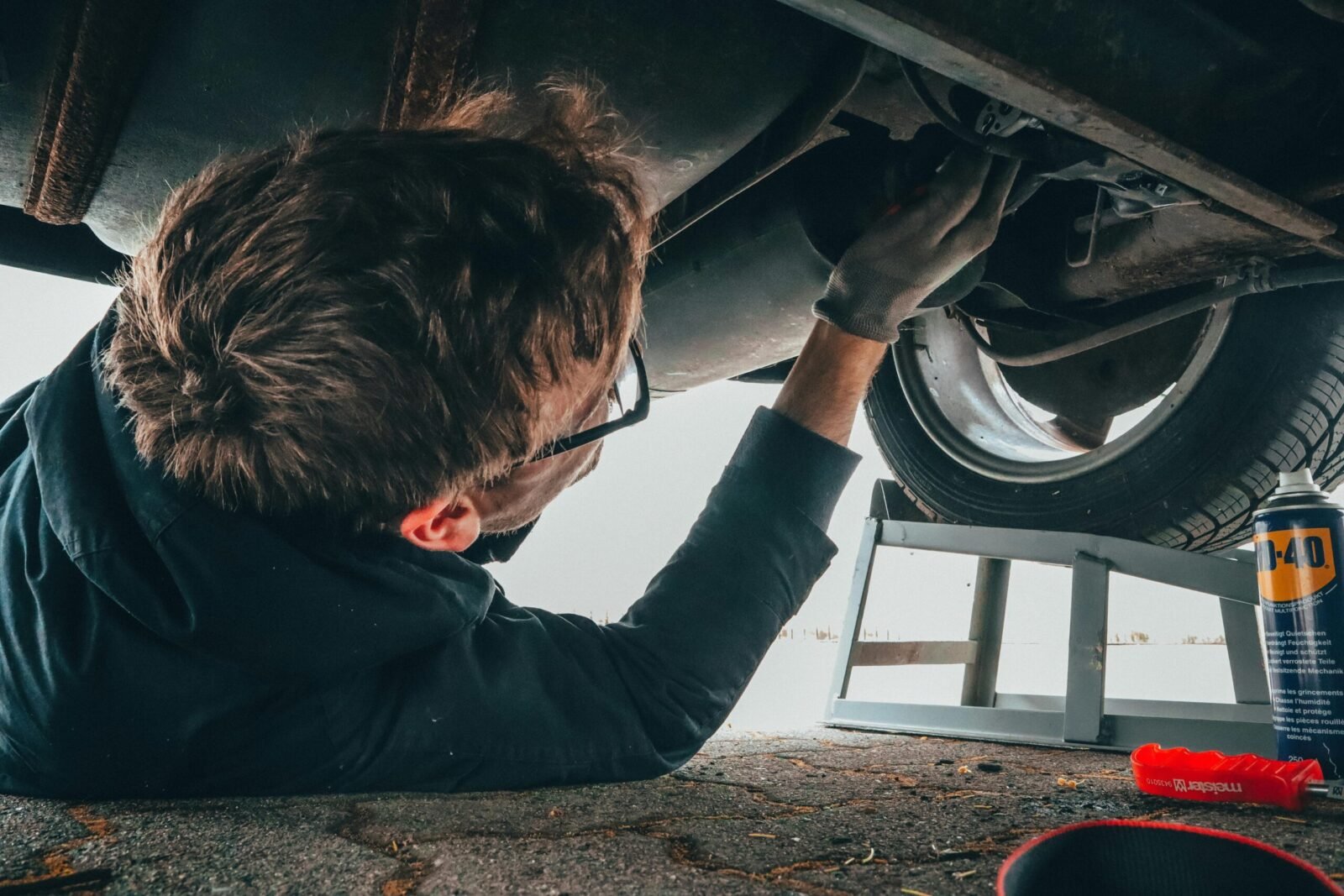
Car repairs are one of the biggest unplanned expenses for most households. According to the latest data from AAA and CarMD, the average annual repair cost for a vehicle in the U.S. now exceeds $1,200–and that number keeps climbing with rising parts prices and labor rates. The good news? You can slash that bill dramatically by being a smarter consumer and doing a little preventive work yourself.
Here are 21 proven, SEO-optimized cost-saving tips that actually work in 2025 and beyond.
1. Learn Basic DIY Maintenance (Save $300–$1,000/year)
Simple tasks like changing your own oil, replacing air filters, wiper blades, and cabin filters can save hundreds annually.
- Average shop oil change: $75–$120
- DIY cost: $25–$45 (and it takes 15 minutes)
YouTube and repair manuals (Chilton, Haynes, or ALLDATA DIY) make it easier than ever.
2. Shop Around for Quotes – Always Get at Least 3
Labor rates vary wildly:
- Dealership: $140–$220/hour
- Chain shops (Midas, Meineke): $110–$160/hour
- Independent mechanics: $80–$130/hour
Use platforms like RepairPal, OpenBay, or YourMechanic to get instant quotes.
3. Use RepairPal’s Fair Price Estimator
RepairPal gives you a real-time “fair price range” for your exact year/make/model and ZIP code. Mechanics hate it when you show up armed with this data–because it works.
4. Ask for OEM vs. Aftermarket Parts Breakdown
Dealers love marking up genuine OEM parts 100%+. Quality aftermarket brands (Bosch, Denso, Moog, Gates, Mann, NGK) often cost 40–70% less and come with lifetime warranties.
5. Never Authorize “While You’re In There” Upsells Blindly
Shops make big money on “recommended additional services.” Ask:
- Is it safety-critical right now?
- Can I see the old part?
- What happens if I wait 3–6 months?
6. Keep Up With Preventive Maintenance
The #1 way to avoid $1,000+ repairs is spending $100–$200 on scheduled maintenance.
Examples:
- Transmission fluid change every 60k miles → prevents $4,000 rebuild
- Coolant flush every 5 years → prevents $1,500 head gasket
- Timing belt at factory interval → prevents $1,500–$3,000 engine replacement
7. Buy Your Own Parts (When Allowed)
Many independent shops let you supply parts and only charge labor. Sites like RockAuto, Amazon, or AutoZone often beat shop prices by 30–60%.
8. Look for Shops That Offer Payment Plans or 0% Financing
Synchrony Car Care, Snap Finance, and Koalafi let you split big repairs over 6–24 months with little or no interest.
9. Join AAA or Use Roadside Assistance Perks
AAA Premier now includes one 200-mile tow per year and reimburses up to $150 on certain repairs at approved shops.
10. Check for Open Recalls & TSBs (Technical Service Bulletins)
Many “repairs” are actually covered for free under recall or goodwill programs—even years after warranty. Use NHTSA.gov or your VIN on the manufacturer site.
11. Use Independent Specialists Instead of Dealerships
European car at the dealer? $180/hour.
Same repair at a Bosch Car Service or independent Euro shop? $110–$140/hour–and often better technicians.
12. Negotiate Labor Time
Most shops use “book time” (Mitchell, Alldata, or Chilton flat-rate). If a job books 4.2 hours but your mechanic finishes in 3, ask for the actual-time rate.
13. Keep All Receipts & Build a Relationship
Shops are far more likely to cut loyal customers a break on labor or throw in free diagnostics.
14. Learn to Read Your Dash Warning Lights
A $29 OBD2 Bluetooth scanner + the Torque Pro or Car Scanner app can tell you if that check-engine light is a loose gas cap ($0) or a failing catalytic converter ($1,800).
15. Extend the Life of Expensive Components
- Use the correct fuel octane
- Let turbo cars idle 30–60 seconds before shutting off
- Warm up the engine gently
- Change differential/transfer case fluid on AWD vehicles
16. Consider an Extended Warranty or Vehicle Service Contract (Wisely)
Third-party contracts from companies like Endurance or Carchex can be half the price of dealer plans–and often transferable, increasing resale value.
17. Tire Maintenance = Big Suspension Savings
Proper inflation, rotation every 6k–8k miles, and alignment checks prevent $800–$1,200 in premature strut/shock and tire bills.
18. Mobile Mechanics Are Often 20–40% Cheaper
YourMechanic, Wrench, and OpenBay send certified techs to your home or office. No shop overhead = lower prices.
19. Ask About Refurbished/Remanufactured Parts
Alternators, starters, calipers, and even transmissions that are factory-rebuilt often cost 50–70% less and carry the same warranty.
20. Time Major Repairs Right
Need brakes in December? Wait until January. Many shops offer aggressive New-Year specials to fill bays after the holiday slowdown.
21. Sell or Trade Before the Big One Hits
If repair costs exceed 50–70% of the car’s value (and it’s over 10 years old), it’s often cheaper long-term to move on.
Quick-Reference Savings Table (2025 Average Costs)
| Repair | Dealer Price | Independent Shop | DIY / Smart Shopping |
|---|---|---|---|
| Oil Change | $90–$140 | $60–$90 | $25–$45 |
| Brake Pads + Rotors (F) | $650–$950 | $400–$650 | $200–$350 |
| Alternator | $950–$1,400 | $650–$950 | $300–$500 (parts+labor if mobile) |
| Timing Belt + Water Pump | $1,400–$2,200 | $900–$1,400 | Not recommended DIY |
| Catalytic Converter | $2,000–$3,500 | $1,500–$2,500 | $900–$1,600 (aftermarket) |
Final Takeaway
The average driver can easily save $800–$2,000 per year just by combining a few of these strategies. The real secret? Treat car repair like any other major purchase: research, compare, and never feel pressured to decide on the spot.
Drive smarter, stress less, and keep more of your hard-earned money where it belongs–in your wallet.
Have your own favorite cost-saving trick? Drop it in the comments–readers love real-world tips! 🚗💰