
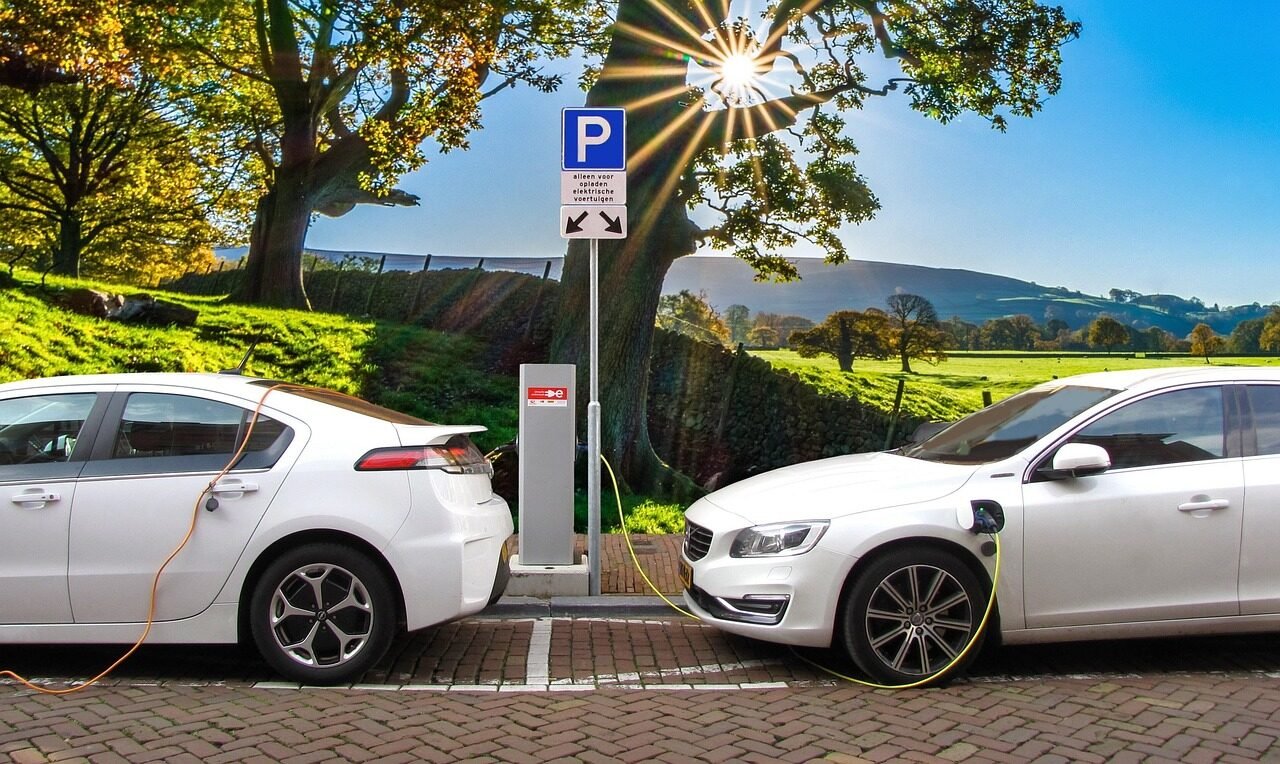
As electric vehicles (EVs) surge past 4 million units on U.S. roads in 2025, charging infrastructure has evolved from a niche concern to a seamless lifeline for drivers. With over 196,000 public charging ports nationwide—a sixfold increase since 2016—and projections for 500,000 by decade’s end via the National Electric Vehicle Infrastructure (NEVI) program, the “range anxiety” era is fading. Yet, navigating Level 1 trickle charges, Level 2 overnights, and ultra-fast DC stations requires savvy. This 2025 guide demystifies EV charging: levels, networks, apps, home setups, costs, and future trends. Whether you’re a Tesla owner eyeing Superchargers or a Rivian driver plotting cross-country routes, we’ll equip you for efficient, affordable powering.
Drawing from U.S. Department of Transportation (DOT) standards, Alternative Fuels Data Center (AFDC) data, and real-user insights from PlugShare and ChargePoint, this resource ensures you’re charged up for success.
Understanding EV Charging Levels: From Slow Drip to Super Speed
EV charging falls into three SAE International-defined levels, each suited to different scenarios. Level 1 uses your garage outlet; Level 2 amps up convenience; Level 3 blasts rapid refills. Speeds vary by vehicle battery size (e.g., 60 kWh for a Chevy Bolt vs. 100 kWh for a Ford F-150 Lightning) and conditions like temperature—cold weather can halve rates.
Level 1: The Basics (120V AC, 1-2 kW)
- Speed: 3-5 miles of range per hour; full charge in 20-40 hours.
- Best For: Plug-in hybrids (PHEVs) with small batteries or emergency top-offs. Every EV includes a portable Level 1 cord.
- Cost: Free if using home outlets; $0.12-$0.20/kWh utility rates.
- Pros/Cons: Ubiquitous but snail-paced—ideal for overnight if you drive <40 miles daily, but frustrating for BEVs.
Level 2: Everyday Powerhouse (240V AC, 3-19 kW)
- Speed: 12-40 miles per hour; full charge in 4-10 hours.
- Best For: Home garages, workplaces, shopping centers. 80% of U.S. public chargers are Level 2.
- Cost: $0.10-$0.30/kWh; installation $500-$2,500.
- Pros/Cons: Balances speed and affordability; requires a dedicated circuit but qualifies for 30% federal tax credits up to $1,000.
Level 3: DC Fast Charging (50-350 kW+)
- Speed: 100-300+ miles in 20-60 minutes (peaks at 80% to protect batteries).
- Best For: Road trips, highways. CCS (Combined Charging System) dominates non-Tesla; NACS/J3400 is rising.
- Cost: $0.30-$0.60/kWh; higher for ultra-fast.
- Pros/Cons: Game-changer for travel but heats batteries—limit to 20% of charges for longevity.
Pro Tip: Always precondition your battery via app for optimal speeds, and aim for 20-80% charges to maximize efficiency.
Top EV Charging Networks in the U.S.: Reliability, Coverage, and Perks (2025)
With 58,000+ DC fast ports and 155,000+ AC Level 2s, networks vary by footprint and features. Tesla leads, but Electrify America and EVgo shine for non-Tesla drivers. J.D. Power ranks Electrify America low on reliability (601/1,000), while Tesla scores 850+.
| Network | Ports (2025) | Max Speed | Coverage Highlights | Pricing/Perks | Reliability Score |
|---|---|---|---|---|---|
| Tesla Supercharger | 29,000+ | 350 kW | 90% highways; open to non-Tesla via NACS/Magic Dock | $0.28-$0.48/kWh; free trials for new EVs | 850+ (JDP) |
| Electrify America | 4,900+ | 350 kW | 1,100+ sites; NEVI-funded corridors | $0.43/kWh; 30% off subscriptions | 601 (JDP) |
| EVgo | 4,350+ | 350 kW | 40 states; rideshare focus | $0.35-$0.51/kWh; renewable energy | 750 (User Avg) |
| ChargePoint | 3,750+ DC | 250 kW | Urban/workplace heavy; 225,000 global | $0.20-$0.40/kWh; app payments | 780 (User Avg) |
| Blink Charging | 2,500+ | 200 kW | Airports/shopping; fleet discounts | $0.25/kWh; subscriptions | 720 (User Avg) |
Data: AFDC, Paren Q2 2025. Emerging “Charging 2.0” players like IONNA (182 ports, expanding) promise 10-stall, 400 kW hubs.
Best Apps and Maps for Finding Stations: Navigate Like a Pro
No more aimless circling—apps turn charging into a tap. PlugShare reigns with crowd-sourced intel; ChargePoint integrates payments.
Top 3 Apps for 2025
- PlugShare (Free, iOS/Android/Web): World’s largest map (200+ countries); filters by connector/speed/network. User reviews/photos flag duds—95% accuracy. Trip planner rivals Google Maps.
- ChargePoint App: 155,000+ stations; in-app payments, reservations, Apple CarPlay. Widgets show queue status.
- Electrify America App: Fast-charger focus; live availability, 80% charge alerts. Integrates NEVI routes.
Other Tools: AFDC.gov map (government-backed, 275,000 stations); ABRP (A Better Routeplanner) for route optimization. Filter for freebies at Walmart/Costco.
Home EV Charging Installation: Step-by-Step Guide for 2025
Home charging covers 80% of needs at 70% less cost than public ($0.17 vs. $0.29/kWh). Level 2 is king—here’s how to set it up.
Steps to Install
- Assess Your Setup: Check panel capacity (150A+ ideal). Use Qmerit or electrician for load calc ($100-$200).
- Choose Hardware: Top picks—ChargePoint Home Flex (48A, $700, smart scheduling); Emporia Pro (48A, $400, energy monitoring); Grizzl-E Ultimate (48A, $500, weatherproof); Tesla Universal ($475, NACS-ready). Hardwire for reliability over plugs.
- Permits & Pro Hire: Licensed electrician ($500-$1,500 labor); pull permits ($100-$300). Total: $1,300 avg.
- Incentives: 30% IRA credit ($1,000 max); state rebates (e.g., $4,200 in CA via SCE).
- Final Check: Inspection ensures NEC compliance; test with your EV.
Timeline: 1-2 weeks; off-peak installs save 20%. For apartments, seek shared Level 2s or portable units.
Costs, Savings, and Tips: Maximize Your EV Budget
- Home: $0.10-$0.20/kWh; 3,000 miles/year = $150 vs. $400 gas.
- Public: Varies; subscriptions (e.g., Electrify America) cut 20-30%.
- Tips: Charge off-peak; use apps for free spots; precondition for 10-20% faster sessions. Track via OBD tools for efficiency.
The Future of EV Charging: 2025 and Beyond
Infrastructure booms: 16,700 new ports in 2025 (20% YoY), hitting 100,000 by 2027. NACS standardizes connectors (adopted by Ford/GM 2025); ultra-fast (400 kW+) doubles in EU/China. Bidirectional “V2G” lets EVs power homes; renewables hit 100% at EVgo. Global market: $31B in 2025, $113B by 2032 (20% CAGR). Challenges? Reliability (16% utilization avg) and equity for multifamily/rural.
Final Thoughts: Charge Ahead with Confidence
In 2025, EV charging is more accessible than ever—home setups save thousands, apps banish uncertainty, and networks expand daily. Start with a Level 2 install and PlugShare; scale to DC for adventures. The grid’s ready: 90% of drivers can go full EV today. What’s your first charge story? Share below—we update with NEVI rollouts and app tweaks!
Last updated: December 2025. Verify local incentives via DSIRE.org.